
Project Launch | Another Breakthrough in Joint R&D: JAC Shuailing S7 Power-Split Hybrid Light Truck Enters Mass Production
Recently, the Shuailing hybrid light truck, independently developed by JAC Motors, successfully passed the final pre-production technical review and has officially entered the small-batch trial production stage. The preparations for the new model's market launch are now in the final phase.
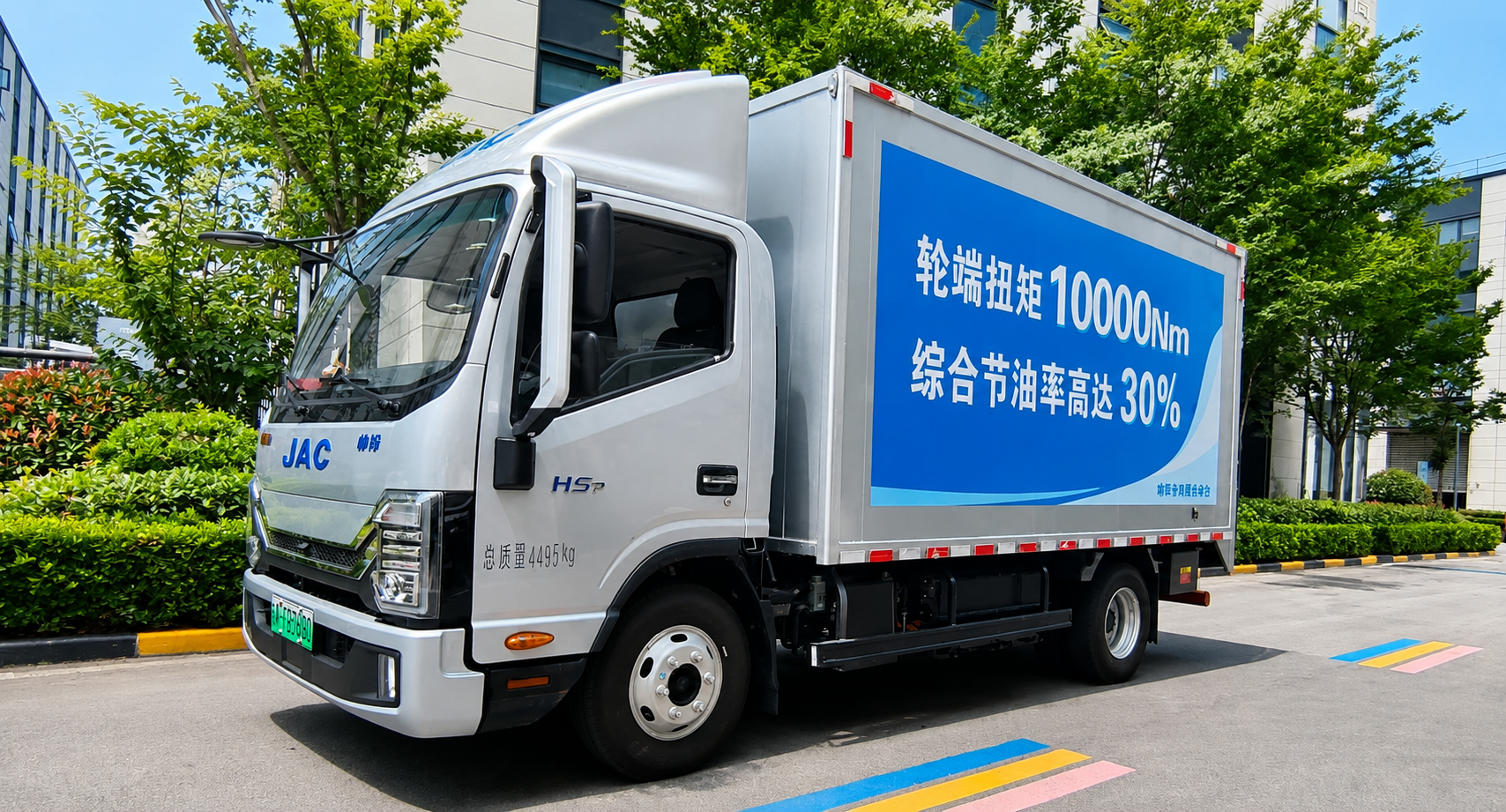
Figure 1: Shuailing PHEV
The successful passing of the final pre-production technical review for the JAC Shuailing hybrid light truck project not only relies on JAC's mature vehicle platform expertise but also embodies the results of over two years of collaborative efforts between both parties. Throughout the entire project cycle, the Ruidong R&D team strictly aligned with the OEM's milestones, leveraging multi-generation hybrid technology accumulation to complete the electric drive system matching and development of core components such as planetary gears tailored to the vehicle model.
In the early project phase, the Ruidong team was responsible for overall technical solution design and verification. They completed the transmission system architecture definition, collaborated on the selection and parameter calculation of the full series of sub-components, and simultaneously conducted full-system pre-simulation covering four core scenarios: power performance, fuel economy, thermal management, and transmission structural strength. This allowed for early risk identification and parameter optimization, laying a solid foundation for subsequent development.
For the three self-developed core components, dedicated design and simulation were initiated in parallel, pre-validating structural strength and control logic rationality to ensure the core components met vehicle requirements.
During the mid-development phase, Ruidong independently completed the full-process implementation for the three core components, from DV (Design Verification) validation and mold development to production line construction, preparing for batch delivery. Meanwhile, Ruidong cooperated with the OEM to jointly develop DHT assembly test plans and vehicle calibration schemes, collaboratively refining test specifications, testing procedures, and acceptance criteria covering verification scenarios such as assembly durability, high/low temperature environments, full-load heavy-duty conditions, and impact/vibration. The teams also jointly formulated two-summer/two-winter extreme environment calibration plans, defining test content and control requirements for each phase.
During the real-vehicle validation phase, Ruidong deployed long-term on-site R&D teams to accompany the project across various test sites nationwide, conducting multi-condition calibration and providing real-time responses to resolve testing issues, offering full-cycle support to ensure tests were completed on schedule.
For the electric drive core components, Ruidong independently completed the full structural development of the planetary gear coupling mechanism, establishing a dedicated DV verification system for the planetary gear set. This included sequential assembly verification, static strength testing, NVH noise/vibration analysis, transmission efficiency evaluation, high-speed condition testing, overspeed impact testing, and fatigue durability testing on dedicated test benches. Additionally, cleanliness inspections and prohibited substance compliance tests were conducted to thoroughly verify the planetary gear set's structural strength, transmission efficiency, and durability. To address common issues in commercial vehicles such as transmission efficiency degradation and reliability decline caused by frequent start-stop and long-term full-load operation, Ruidong leveraged project experience to collaborate with the OEM on optimization, providing mechanical structure-level support for achieving high-reliability and high-efficiency transmission solutions for the vehicle.
For the electronic control core components, the VCU (Vehicle Control Unit) and PCU (Power Control Unit) controllers achieved full-stack self-developed software and hardware, with batch delivery capability. Multi-dimensional bench reliability tests were conducted for the controller hardware, covering all commercial vehicle usage scenarios to ensure stable hardware operation. The control algorithms were specifically developed for diesel hybrid commercial vehicles. As the core of vehicle energy management, the VCU intelligently coordinates engine and motor power distribution, switching between multi-mode energy flow logic to ensure smooth power output and precise energy consumption control. Ruidong cooperated with the OEM to complete the electronic control system matching, adapting to urban distribution heavy-load operating scenarios.
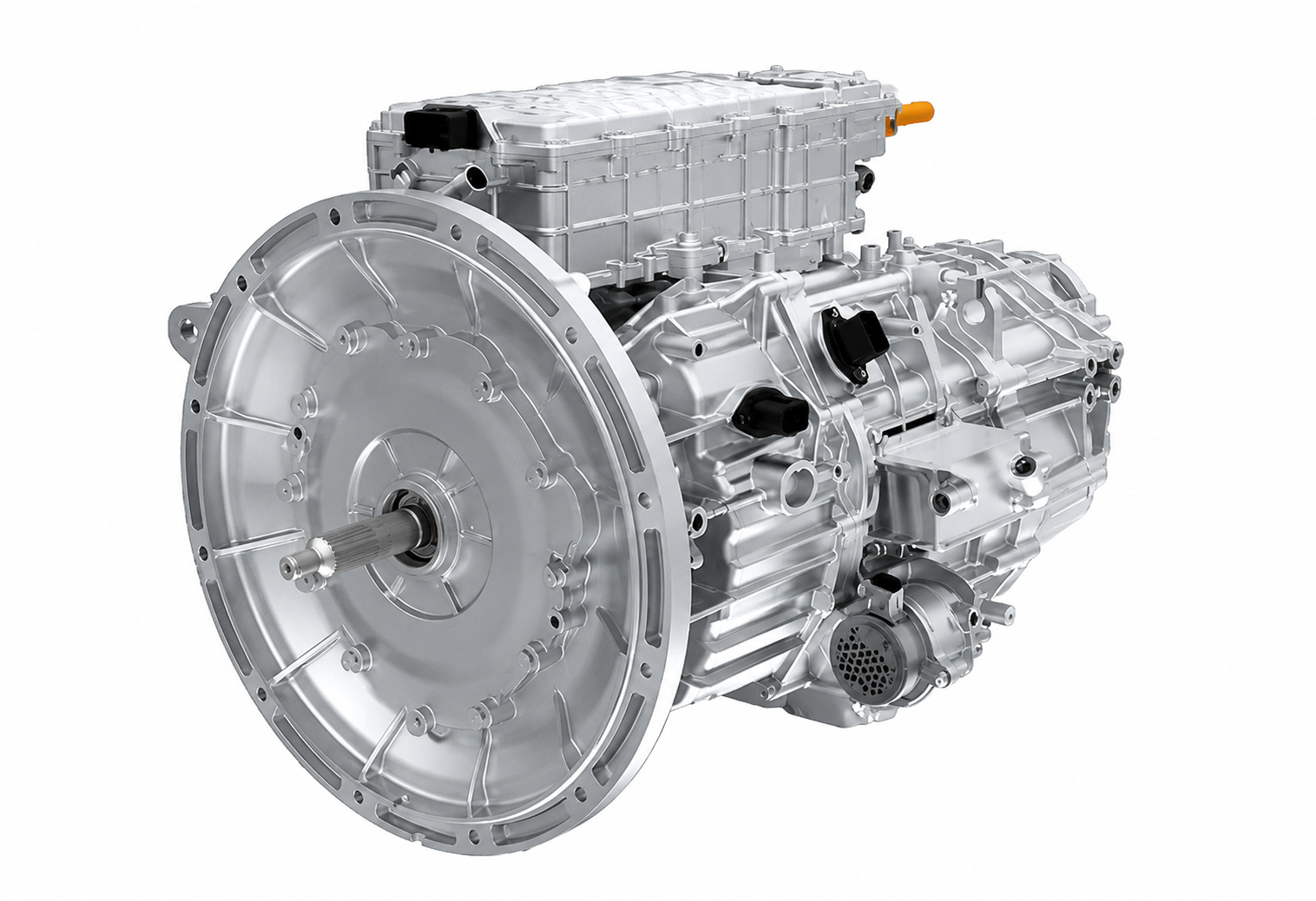
Figure 3: Hybrid Assembly and Core Components
Throughout the project cycle, relying on the jointly developed validation plan, the vehicle underwent two-summer/two-winter extreme high and low temperature calibration, along with multi-scenario real-road testing covering mountain heavy-load, high-speed long-distance, and urban congestion conditions, encompassing all light truck operating scenarios.
During the entire real-vehicle testing cycle, we deployed VCU software engineers for long-term on-site support, accompanying the vehicle to collect data in real time and responding to debugging needs on the spot. Issues identified during real-vehicle testing—such as delayed power response, energy consumption deviations, and NVH related to electronic control matching—were addressed through rapid iteration of control strategy parameters, collaborating with the OEM to optimize vehicle power performance and fuel economy, and assisting in troubleshooting and resolution. Building on this foundation, both parties leveraged years of project experience to conduct fine-tuning on key indicators such as shift smoothness and high/low temperature adaptability, completing multiple rounds of solution iterations.
With each optimization round, we incorporated component verification data, bench test data, and real-road test experience to iteratively correct and address gaps in complex scenario adaptability, fully cooperating with the OEM to achieve reliability, fuel economy, and power performance design targets. Over the two-year project cycle, from core component DV testing and test technical support to cross-regional on-site calibration coordination, the R&D and test teams remained on the front line throughout, providing full-process technical investment to support the steady advancement of vehicle development.
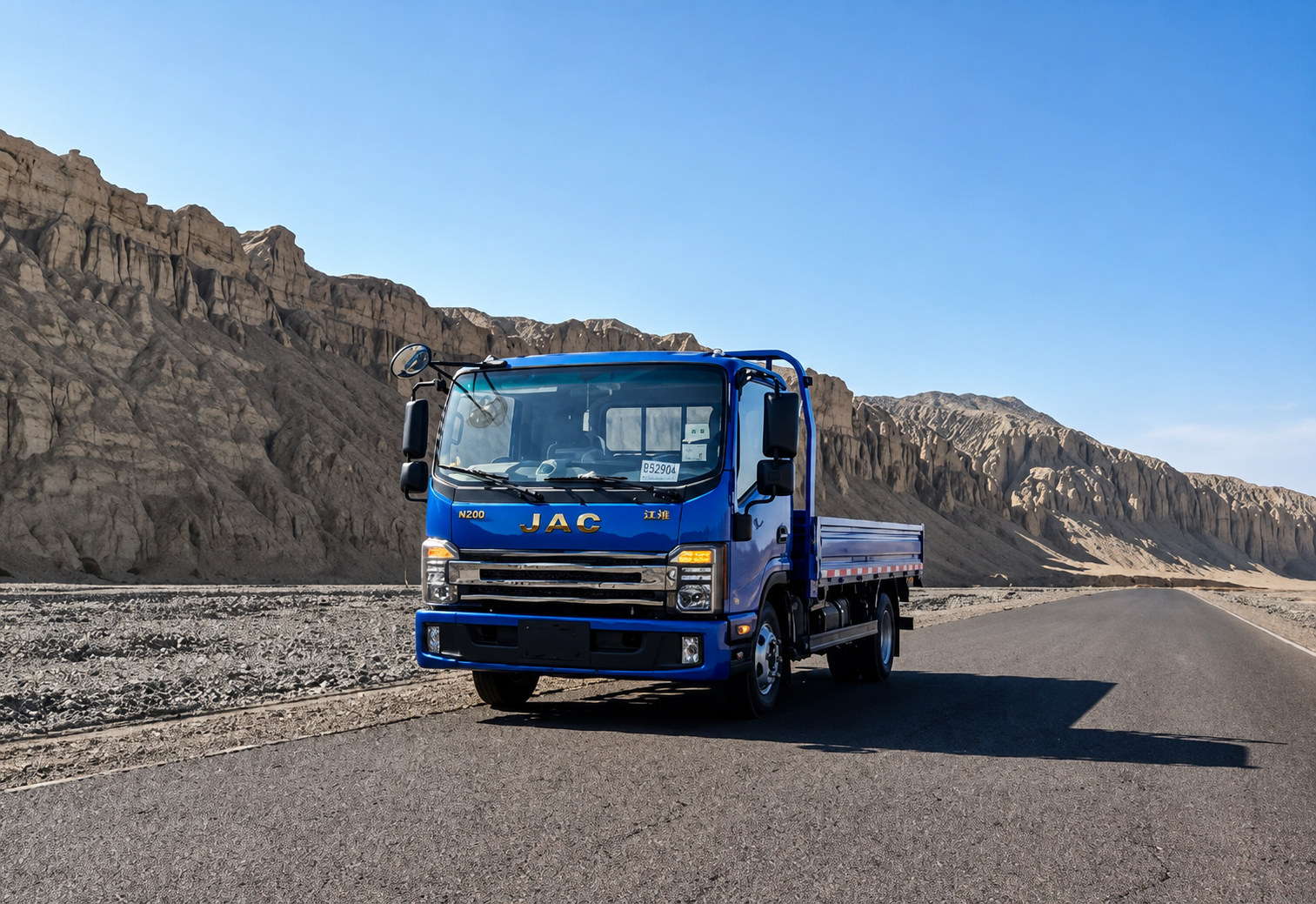
Figure 4: Road Adaptability Test
The fuel efficiency and power performance of the JAC Shuailing hybrid light truck leverage JAC's vehicle platform design advantages while being equipped with a power-split EVT hybrid system composed of Ruidong's self-developed core components. Paired with a DHE dedicated diesel engine and a two-speed DHT architecture, the system fully unleashes combined advantages:
Energy Saving Across All Scenarios, More Economical Operation
Ample Power Reserve, Adaptable to Complex Road Conditions
Leveraging the efficient power output of the two-speed DHT hybrid architecture, the vehicle's wheel-end peak torque reaches 11,000 Nm, with strong low-speed traction and ample heavy-load reserve. It delivers smooth power output in scenarios such as full-load climbing, steep mountain slopes, and unpaved rough roads, addressing the pain points of traditional fuel light trucks that struggle with heavy loads and climbing. It is adaptable to high-intensity urban distribution, mountain transportation, and other multi-scenario operational needs.
Economical and Practical, Short Payback Period
Adopting a large-capacity battery PHEV architecture, it is suitable for long-distance transportation and distribution scenarios in counties and mountainous areas with inadequate charging infrastructure, effectively shortening the user payback period. With urban fuel savings of up to 45% and comprehensive fuel savings of 30%, it offers strong market practicality.
This vehicle model covers mainstream freight scenarios such as urban express delivery, cold chain transportation, urban-rural LTL (less-than-truckload) shipping, and mountain material transfer. It compensates for the shortcomings of pure electric light trucks—limited range, torque constraints, and high charging frequency—while offering significant fuel savings compared to traditional fuel light trucks. It is a reliable choice for the logistics market upgrade, especially in the cold chain vehicle market.
04 Self-Developed Production Capacity Landing, Ensuring Stable Batch Delivery
To support the OEM's batch supply requirements, Ruidong has completed the construction of dedicated production lines for three self-developed core components: VCU, PCU, and planetary gear set. These are equipped with component inspection and assembly testing stations, achieving independent core technology, self-developed and self-manufactured key components, and a stable annual delivery capacity of over 10,000 units. Ruidong cooperates with the OEM to realize a complete project chain of "system solution matching → component DV development → assembly test support → vehicle calibration coordination → scaled mass production delivery."
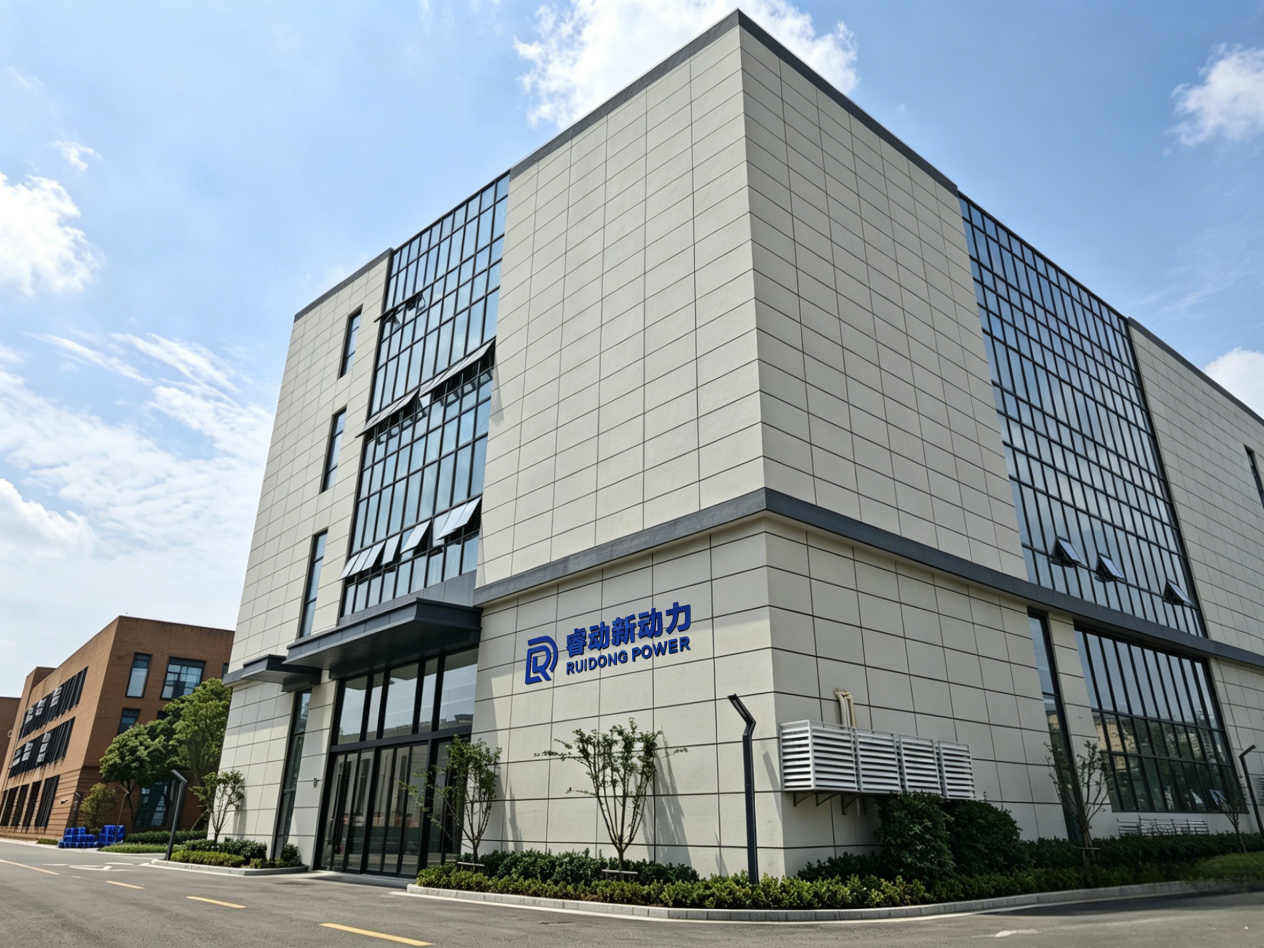
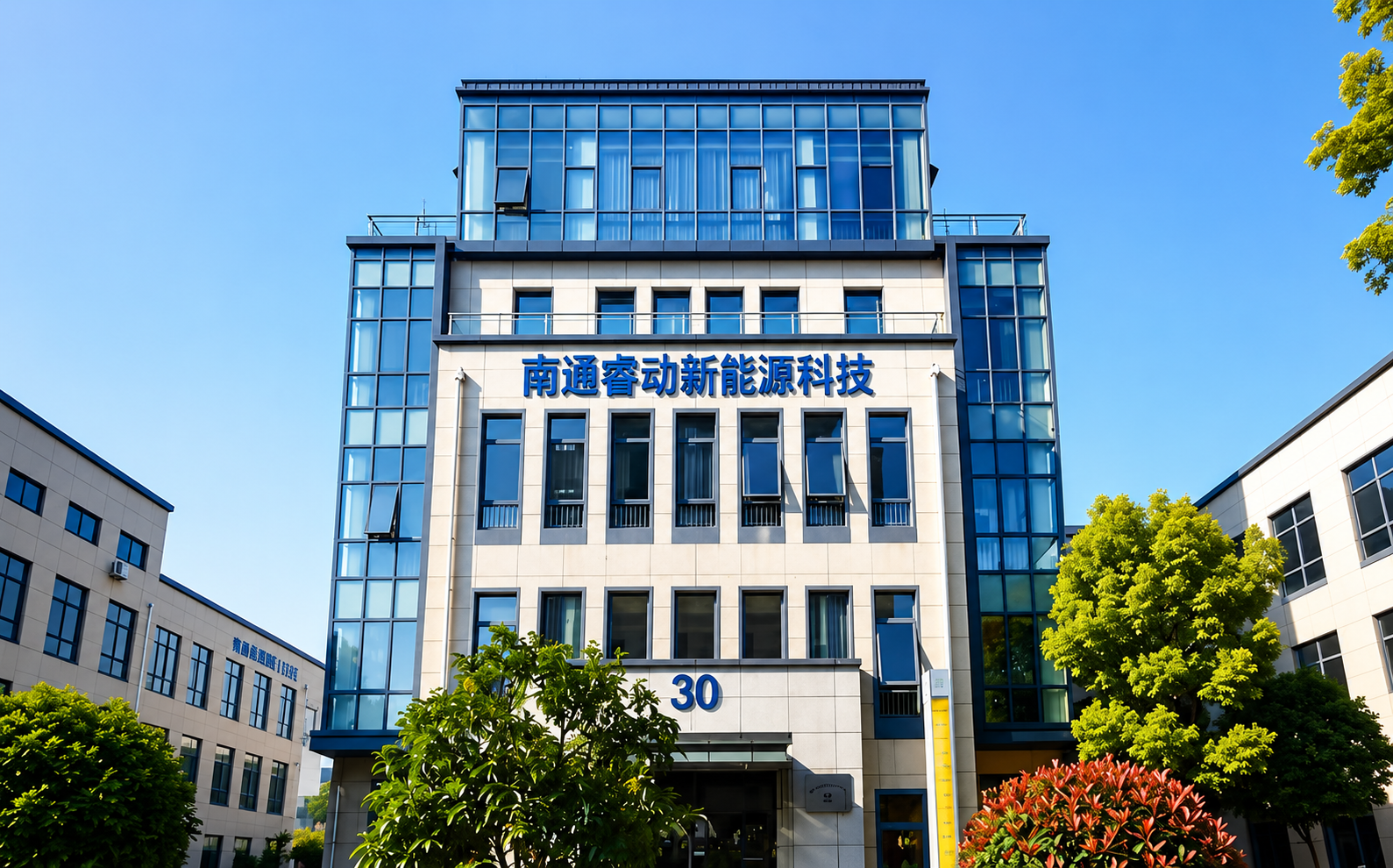
Figure 5: Ruidong New Power Huai'an Manufacturing Base
Conclusion
Mature and reliable commercial vehicle products rely not only on the OEM's platform expertise and system capabilities but also on the core technical support and collaborative efforts of supply chain partners.
The entry of this hybrid light truck project into the trial production phase represents a milestone achievement for Ruidong's deep commitment to the commercial hybrid track, its insistence on self-developed core components, and its dedicated efforts in reliability research. Moving forward, we will continue to deeply cultivate commercial vehicle hybrid electric drive technology, strengthen our self-development capabilities, enhance service levels, and collaborate with all vehicle partners to deliver high-reliability core components and technical solutions, jointly promoting the green and efficient upgrade of the urban distribution logistics industry.
 苏公网安备32061102000403号